
How to Make Your Bed More Comfortable
Creating a truly comfortable bed is not about buying more things or following trends—it’s about making thoughtful choices that improve how your body feels the moment you lie down. A well-designed sleep setup should support your posture, regulate temperature, and help your mind relax naturally. In real life, most people don’t struggle with falling asleep because of aesthetics, but because their bed simply doesn’t feel right.
Over the years, we’ve seen that comfort comes down to a few key elements working together: support, softness, and temperature balance. When these are aligned, your bed stops being just a place to sleep and becomes a space you actually look forward to at the end of the day.
Why Your Bed Doesn’t Feel Comfortable (Even If It Looks Good)
A bed can look perfectly styled and still feel uncomfortable. This usually happens when people focus too much on appearance and not enough on function. Flat pillows, overly thin bedding, or materials that trap heat can all quietly reduce sleep quality.
Another common issue is a lack of support. Without proper alignment for your neck, back, and body, your muscles stay slightly tense even when you’re resting. Over time, this can lead to discomfort, poor sleep, and even morning stiffness.
Comfort isn’t about excess—it’s about balance.
Start with the Foundation: Support Matters More Than You Think
Choosing the Right Pillow Setup
Your pillow is the most important part of your bed after the mattress. A poorly chosen pillow can undo everything else, even if your sheets and blankets feel soft.
For side sleepers or people who shift positions at night, a body pillow can make a noticeable difference. Instead of placing pressure on your shoulders and hips, it helps distribute weight more evenly and supports natural spinal alignment. This is especially helpful if you tend to wake up with tension in your lower back or neck.

For people who like to sit up in bed—reading, working, or relaxing—a backrest pillow offers structured support that regular pillows simply can’t provide. It keeps your spine upright without strain and turns your bed into a functional, comfortable space beyond just sleeping.
When your body is properly supported, comfort becomes effortless rather than something you have to adjust constantly.
Layering for Softness Without Overdoing It
Softness is what most people associate with comfort, but too much of it can actually work against you. The goal is not to create a bed you sink into completely, but one that feels inviting while still supportive.
Use Layers That Serve a Purpose
Instead of piling on random blankets, focus on layering intentionally:
- A breathable base layer (like quality sheets)
- A mid-layer for comfort (lightweight blanket or throw)
- An optional top layer for warmth (seasonal)

A throw blanket is one of the easiest upgrades here. It adds texture and warmth without overwhelming the bed, and more importantly, it’s something you’ll actually use. Whether you’re winding down at night or taking a short rest during the day, it becomes part of your routine rather than just decoration.
The best setups feel natural—not staged.
Temperature Control: The Missing Piece of Comfort
One of the biggest reasons people sleep poorly is overheating. Even if everything else feels right, trapped heat can make it hard to stay asleep.
Balance Warmth and Breathability
Instead of relying on heavy layers, focus on materials that regulate temperature:
- Cooling fabrics for airflow
- Lightweight bedding that doesn’t trap heat
- Seasonal layering instead of one thick comforter

For colder months, adding a heated blanket or a controlled warmth layer can help maintain a stable, comfortable temperature without overheating the entire bed. The key is targeted warmth—not excess heat.
A comfortable bed should feel consistent throughout the night, not something you constantly adjust.
Upgrade Your Bedding (Where It Actually Matters)
Sheets and Comforters That Work With Your Body
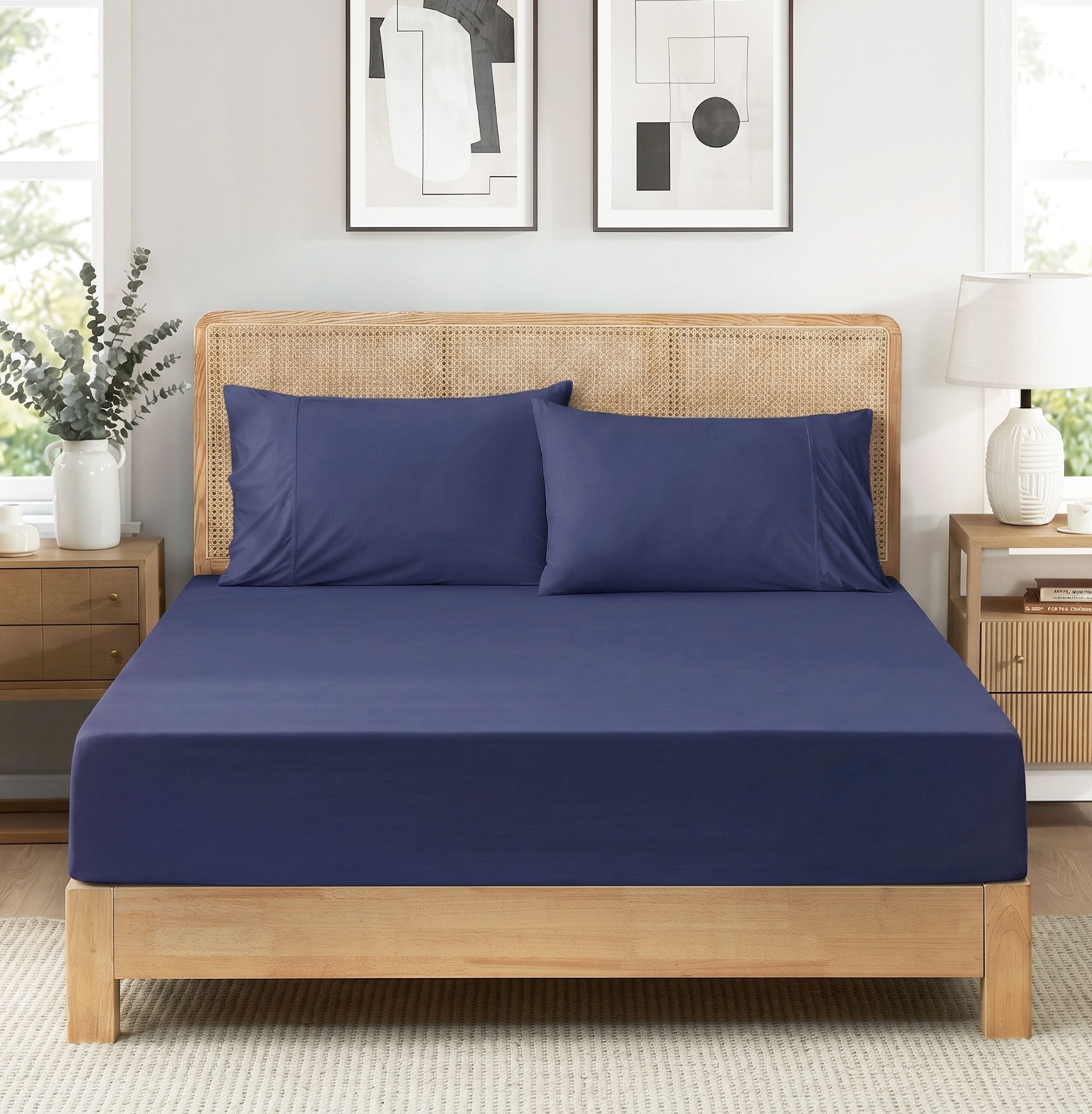
Your sheets are in direct contact with your skin, so they have a bigger impact than most people realize. Breathable, smooth fabrics can help reduce friction, improve airflow, and make your bed feel instantly more inviting.

A well-chosen comforter should provide warmth without weight. If it feels heavy or restrictive, it can disrupt movement during sleep and reduce overall comfort.
Instead of choosing bedding based only on looks, think about how it performs over time. The best bedding is the kind you don’t notice—because it simply feels right.
Create a Bed You Actually Want to Use
Comfort isn’t just physical—it’s also psychological. Your bed should feel like a place you want to return to, not just somewhere you go because you’re tired.
Small details can make a big difference:
- A clean, uncluttered layout
- Easy-to-reach layers (like a throw blanket at the foot of the bed)
- Supportive pillows that stay in place
- A setup that works for both sleep and relaxation
When your bed supports your daily habits—reading, resting, unwinding—it naturally becomes more comfortable without extra effort.
Common Mistakes That Make a Bed Less Comfortable
Even with good products, certain habits can reduce comfort:
- Using too many pillows without proper support
- Choosing heavy bedding that traps heat
- Prioritizing aesthetics over usability
- Not adjusting bedding for different seasons
Comfort should feel effortless. If your bed requires constant fixing, something isn’t working.
Turning Comfort Into a Daily Experience
The most comfortable beds aren’t built overnight—they’re refined over time based on how you actually use them. Instead of chasing a “perfect setup,” focus on small improvements that make a real difference.
When your bed supports your body, regulates temperature, and fits naturally into your routine, comfort becomes something you experience every night—not something you have to think about.
FAQ
How can I quickly make my bed more comfortable?
Start by improving support and adding one functional layer, such as a throw blanket or a better pillow. Small changes can have a big impact.
Do I need a body pillow for better sleep?
If you sleep on your side or experience pressure in your back or hips, a body pillow can significantly improve alignment and comfort.
What makes bedding feel more comfortable?
Breathable fabrics, balanced layering, and proper temperature control all contribute to a better sleep experience.
Are more blankets better for comfort?
Not necessarily. Too many layers can trap heat and feel heavy. It’s better to use fewer, well-chosen layers.
How do I make my bed comfortable for both sleep and relaxation?
Use supportive pillows like a backrest pillow and keep your setup flexible so it works for sitting, reading, and resting.


Leave a comment
This site is protected by hCaptcha and the hCaptcha Privacy Policy and Terms of Service apply.