
How to Create a Cozy Home Simple Ideas That Actually Work
Creating a cozy home is not about adding more items or following trends. It’s about making intentional choices that improve how your space feels and functions in everyday life. The right cozy home decor doesn’t need to be complicated—it can be as simple as a throw blanket on your sofa, a supportive backrest pillow for reading, or comfortable bedding that helps you unwind at night.

A truly cozy home should support your routine, help you relax more easily, and create a sense of comfort that feels natural rather than staged. Many people assume coziness comes from decoration, but in reality, it comes from a combination of softness, warmth, and usability.
What Makes a Home Feel Cozy
A cozy home is built on three essential elements: softness, warmth, and livability. These are not design trends, but functional qualities that influence how a space is experienced every day.
Softness comes from materials that feel comfortable to touch, such as layered fabrics, cushions, and blankets. Warmth is both physical and visual — it comes from temperature as well as from color and texture. Livability refers to how well your space supports your daily habits, making it easy to relax without effort.
When these elements are balanced, space feels natural and inviting. Instead of thinking about how to make your home look cozy, it becomes more effective to focus on how it should feel and function.
Building a Cozy Home Through Everyday Comfort
Creating a cozy home is not about adding more things, but about improving how your space feels in the moments you actually use it. True comfort comes from small, intentional upgrades that support your daily routine—whether you are relaxing on the sofa, reading in bed, or unwinding at the end of the day.
Layering Softness for Everyday Living
The foundation of a cozy home starts with softness. Spaces that feel inviting usually have layers that make them easier to settle into, especially in areas like the living room and bedroom, where comfort matters most.

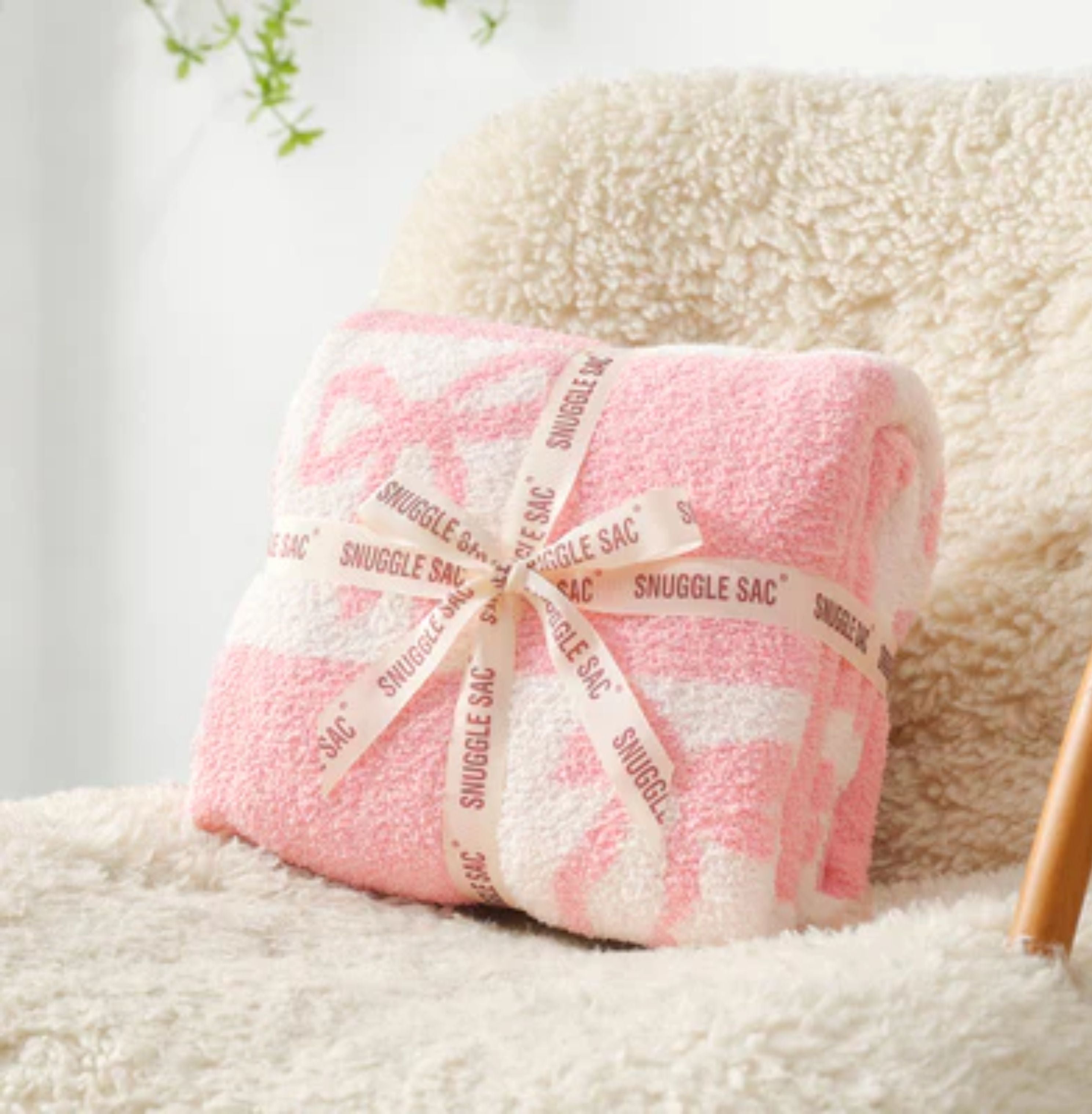
A throw blanket is one of the simplest ways to create this effect. Draped over a sofa or folded at the end of a bed, it adds warmth, texture, and a sense of ease to the space. More importantly, it’s something you naturally reach for—whether you’re watching a movie, taking a short break, or winding down in the evening. These small touches make space feel lived in rather than styled.
Creating a Space That Supports Real Relaxation
A cozy home should always include a place where you can truly relax. This doesn’t require a separate room—it can be a comfortable corner of your sofa or a well-prepared spot on your bed. What matters is how supported and effortless the experience feels.

Comfort is not just about softness, but also about support. Sitting or resting without proper back support can quickly become uncomfortable, even in a well-designed space. A supportive backrest pillow helps solve this by allowing you to sit, read, or unwind for longer periods without strain. When combined with soft surroundings, it turns an ordinary seating area into a place you genuinely want to spend time in.
Bringing Warmth Into Your Daily Routine
Warmth plays a major role in how comfortable a home feels, especially during colder seasons. Instead of relying only on room temperature, adding warmth directly into the spaces you use most can make a noticeable difference.

This is where functional comfort comes in. A heated blanket or an extra layer on your sofa or bed can provide immediate warmth exactly where you need it. The goal is not to overheat the space, but to create a steady, comfortable environment that makes it easier to relax. When warmth is built into your daily routine, your home naturally feels more inviting.
Upgrading Comfort Where It Matters Most
While living spaces set the tone, real comfort often comes from the areas you use every day without thinking—especially your bed.

Bedding directly affects both how well you rest and how your space feels overall. Soft, comfortable sheets and layered bedding can make your bedroom feel more relaxing while also improving sleep quality. These are the kinds of upgrades that don’t just change how a room looks, but how it functions in daily life.
When your bed feels comfortable and ready to use at any time, it becomes more than just a place to sleep. It becomes a space for rest, recovery, and quiet moments.
Turning Comfort Into a Lifestyle
A cozy home is not just about the products you use, but how they fit into your daily life. The most comfortable spaces are built around simple habits—like wrapping yourself in a blanket at the end of the day, leaning back comfortably while reading, or creating a quiet moment before sleep.
When your home supports these routines, comfort becomes something you experience naturally, without needing to think about it. Over time, this is what makes space feel personal, consistent, and genuinely relaxing.
Common Mistakes That Make a Home Feel Less Cozy
One of the most common mistakes people make when trying to create a cozy home is adding too many items without considering how they'll actually be used. While it might seem that more blankets, pillows, or decor will make a space feel warmer, too many pieces can quickly make it feel cluttered and overwhelming — the opposite of comfortable.
Another issue is focusing only on how a space looks rather than how it feels. A room may appear well-designed, but if the seating lacks support or the materials don’t feel comfortable, it won’t encourage you to stay and relax. True coziness comes from a balance between softness, support, and usability.
It’s also important to avoid extremes. Too much warmth or layering can feel heavy and restrictive, while too little can make a space feel cold and uninviting. A cozy home should feel natural and effortless, not something that needs constant adjustment to be comfortable.
How to Choose the Right Elements for a Cozy Home
When choosing items for your home, it helps to think beyond appearance and focus on how they will actually be used. The most effective pieces usually share three qualities: they are comfortable, practical, and easy to integrate into different areas of your home.
Comfort ensures that the item feels good every time you use it, whether it’s something you sit on, wrap around yourself, or rest against. Practicality means it fits into your daily routine without requiring extra effort, such as being easy to maintain or suitable for regular use. Versatility allows it to move between spaces, like from the sofa to the bed, depending on your needs.
Instead of choosing items that only look good at first glance, prioritize how they perform over time — that’s what leads to a more consistent and satisfying living experience. The best pieces are the ones you naturally reach for again and again.
Why Cozy Living Matters More Than Ever
As daily life becomes faster and more demanding, the need for a comfortable and calming home environment continues to grow. A cozy home offers more than just visual appeal. It creates a space where you can slow down, reset, and recharge.
This shift toward comfort-focused living reflects how people are using their homes today. Instead of designing spaces only for appearance, there is a greater emphasis on how a home supports real-life activities, from relaxing after work to spending quiet time alone.
In the end, a cozy home is not about achieving a perfect look. It’s about creating a space that feels warm, supportive, and easy to live in every day. When comfort becomes part of your environment, it naturally becomes part of your lifestyle as well.
FAQ
What is the easiest way to make a home feel cozy
Start by adding soft textures and layering materials. Even small changes, such as introducing blankets or cushions, can make a noticeable difference in how space feels.
Do I need to redecorate to create a cozy home
No, a full redesign is not necessary. Simple adjustments, such as improving comfort and adding warmth, are often more effective.
How can I make my living room more comfortable
Focus on seating support, soft materials, and layered textures. A combination of comfort and functionality will have the biggest impact.
What makes a bedroom feel more cozy
Soft bedding, breathable fabrics, and a clean layout all contribute to a more relaxing and comfortable environment.
Can a minimalist home still feel cozy
Yes, coziness does not require clutter. A minimalist space can feel warm and inviting when the right materials and textures are used.


Leave a comment
This site is protected by hCaptcha and the hCaptcha Privacy Policy and Terms of Service apply.