
Are Throw Blankets Good for Sleeping?
Many people think of a throw blanket as something decorative—a soft layer casually placed over a sofa or chair to make a room feel cozy. But in real life, throw blankets often become one of the most frequently used comfort items in the home. People reach for them while watching TV, reading in bed, taking afternoon naps, or even sleeping through the night.

So the question becomes: are throw blankets actually good for sleeping?
The answer depends on the blanket itself, your sleeping habits, and the kind of comfort you’re looking for. In many cases, a well-made throw blanket can improve sleep comfort surprisingly well, especially for naps, light sleepers, or people who dislike the heaviness of traditional bedding. The key is choosing the right materials, weight, and layering style rather than treating every blanket the same.
Why So Many People Sleep with Throw Blankets
One reason throw blankets have become so popular is that they feel less restrictive than traditional comforters. Large heavy blankets can sometimes trap heat, limit movement, or feel overwhelming—especially for people who sleep warm or frequently change positions during the night.
A throw blanket creates a lighter, more relaxed sleep environment. It provides warmth without the feeling of being buried under layers of bedding. For many people, that balance feels more natural and calming.

This is especially true in situations like:
- Afternoon naps on the couch
- Light sleeping during warmer months
- Layering extra warmth at night
- Relaxing before bed while reading or watching TV
- Sleeping in temperature-controlled homes
Over time, many people end up using their throw blanket more often than their actual comforter.
The Difference Between a Throw Blanket and a Regular Blanket
At first glance, they may seem similar, but throw blankets are designed differently from traditional bedding.
A regular blanket is usually designed specifically for overnight sleep coverage, while a throw blanket is made to move naturally through daily life. It works on a sofa, at the foot of a bed, in a reading corner, or even during travel.
This versatility changes how people use them. Instead of being something you only use at night, a throw blanket becomes part of your daily comfort routine.
Many modern throw blankets are also intentionally designed to feel softer, lighter, and more breathable than standard bedding. Knit throws, faux fur throws, and lightweight plush blankets all create different types of comfort experiences depending on personal preference.
Are Throw Blankets Warm Enough for Sleeping?
Whether a throw blanket is warm enough for sleeping depends less on its size and more on its material, texture, and how it works with your overall sleep environment. Many people assume that only thick comforters can provide proper warmth, but modern throw blankets are designed very differently from traditional bedding. In reality, a well-made throw blanket can often create a more balanced and comfortable sleep experience because it provides warmth without excessive weight or trapped heat.
Lightweight Doesn’t Mean Ineffective
One of the biggest misconceptions is that lightweight blankets cannot keep you warm enough overnight. But warmth is not only about thickness—it’s also about how effectively a fabric retains heat while still allowing airflow. Heavy bedding may feel warm at first, but it can quickly become stuffy, restrictive, or overly hot during the night, especially for people who naturally sleep warm or move frequently while sleeping.
This is why many people now prefer layered lightweight blankets over a single heavy comforter. A lighter throw blanket allows the body to stay warm while still feeling relaxed and breathable. Instead of creating an overly insulated environment, it helps maintain a more stable sleeping temperature throughout the night.
Different materials also create very different comfort experiences:

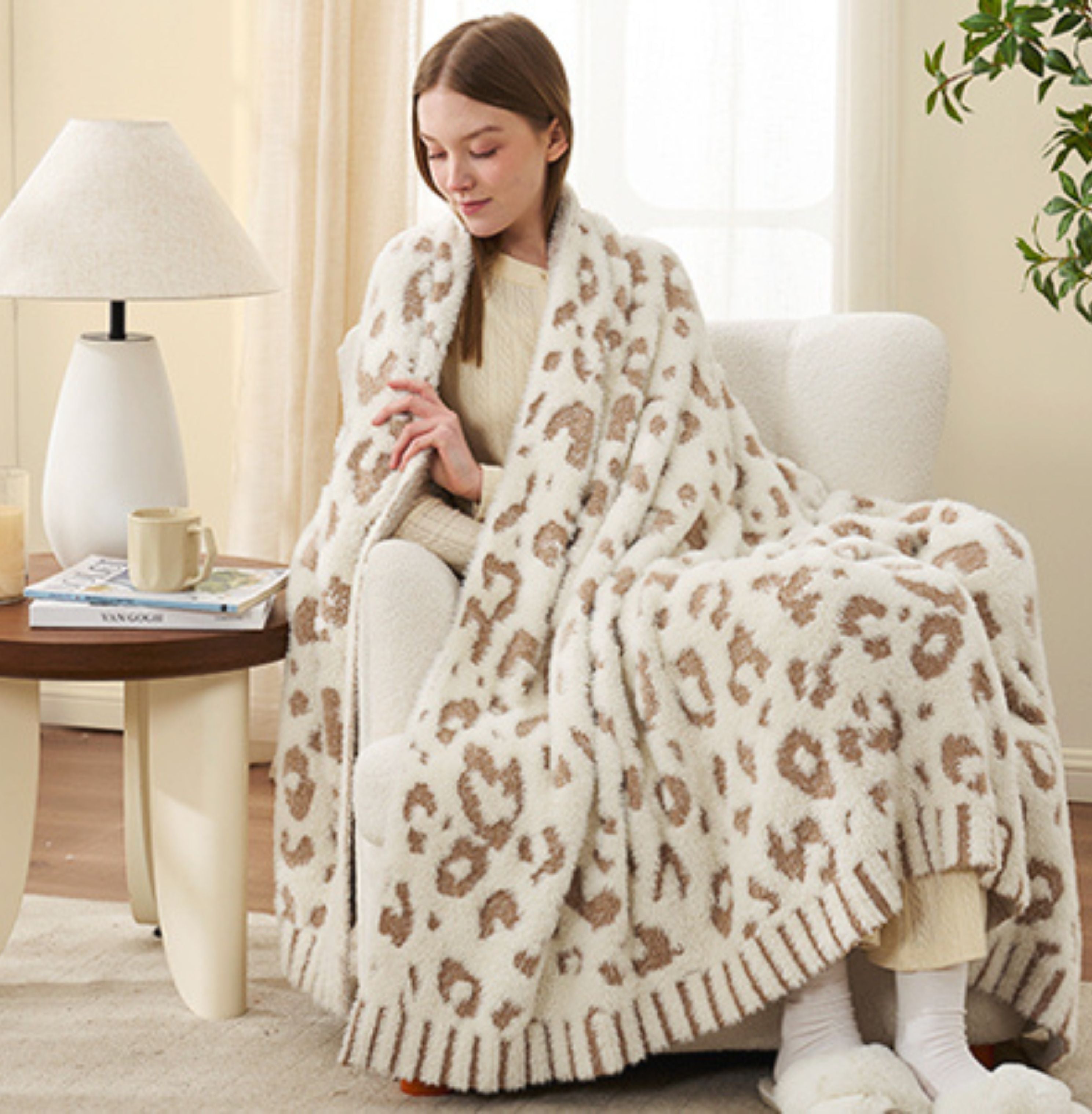
- Knit throw blankets provide breathable warmth with natural airflow, making them especially comfortable for year-round use or warmer sleepers. Soft feather yarn knit blankets are a popular example because they combine the cozy texture of a knit throw with an ultra-soft, cloud-like feel that remains lightweight and easy to use every day.

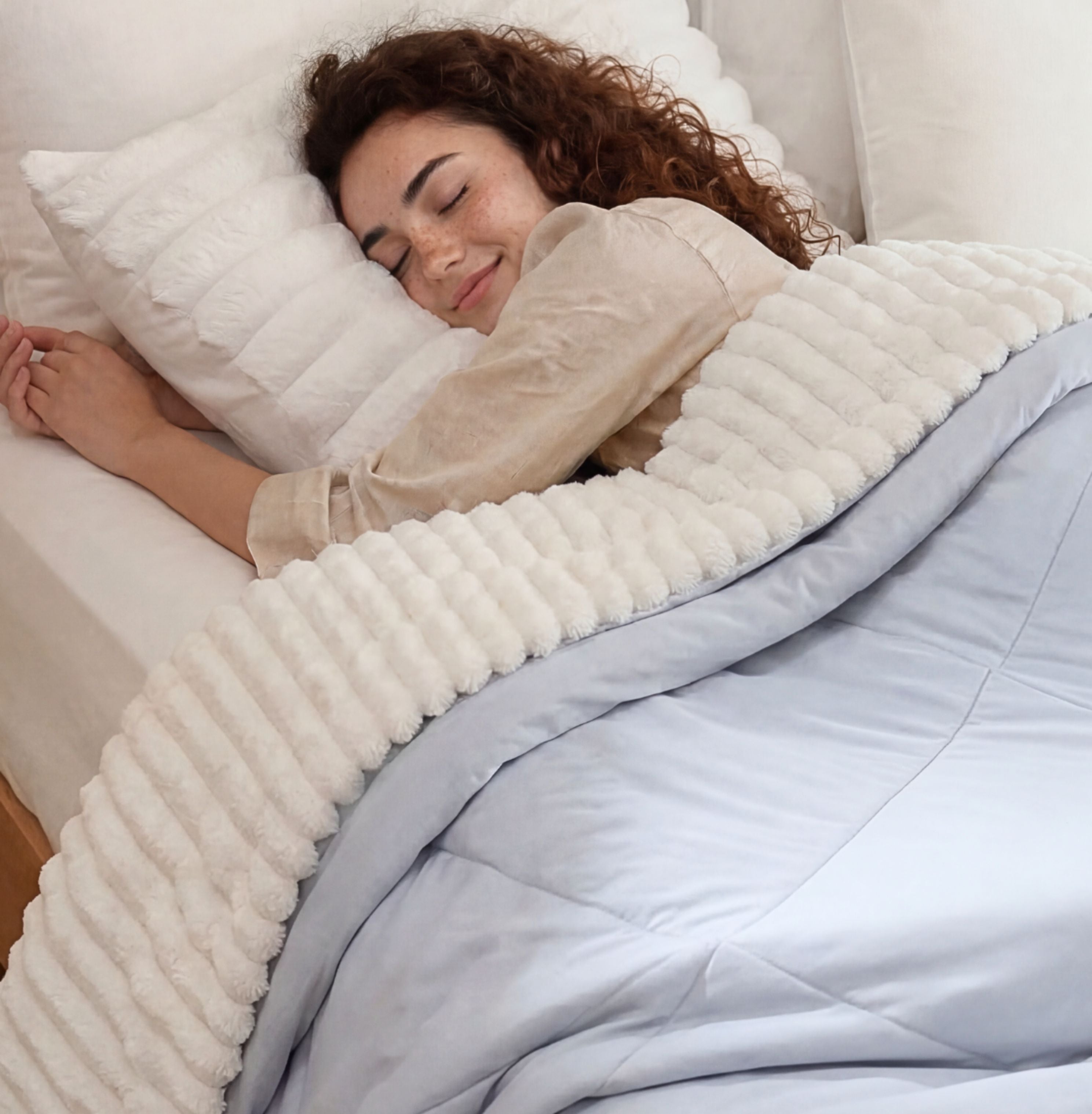
- Faux fur blankets create a plush, insulated feeling that works particularly well during colder months. They offer a deeper sense of warmth and softness while still feeling more flexible and comforting than many traditional winter blankets.

- Heated blankets take this even further by adding adjustable warmth directly where your body needs it. Instead of layering multiple thick blankets, many people now prefer using controlled heat for a more comfortable and energy-efficient sleep setup.
The goal of good sleep comfort is not maximum heat—it’s balance. A blanket that keeps you comfortably warm without overheating usually creates a much better sleep experience than one that feels overly thick, heavy, or suffocating. For many people, especially those who value softness, flexibility, and breathable comfort, a throw blanket becomes the layer they reach for most often at night.
Why Breathability Matters More Than Weight
A common sleep problem people overlook is trapped heat. Heavy bedding may feel cozy at first, but after several hours, it can become uncomfortable and disrupt sleep quality.
This is why breathable throw blankets are becoming increasingly popular for both sleep and relaxation.
Soft knit textures and lightweight fabrics allow airflow while still creating warmth around the body. Instead of waking up sweaty or uncomfortable, you stay at a more stable temperature throughout the night.
Many people who switch from thick bedding to layered lightweight blankets notice they sleep more comfortably almost immediately.
Throw Blankets Work Best as Part of a Layered Sleep Setup
Rather than replacing all bedding entirely, throw blankets often work best as part of a layered bed setup.
How People Actually Use Them
In real homes, people commonly use throw blankets in these ways:
- Layered over sheets during warmer seasons
- Added on top of comforters for extra softness
- Used separately for naps or lounging
- Kept at the foot of the bed for temperature adjustments
- Paired with a backrest pillow while relaxing in bed
This flexibility is what makes them practical. Comfort becomes adjustable instead of fixed.
Choosing the Best Throw Blanket for Sleeping
Not all throw blankets create the same sleeping experience. The best option depends on your sleeping habits, your room temperature, and the kind of comfort you personally enjoy. Some people prefer lightweight breathable layers, while others want deeper warmth and a stronger sense of coziness. Instead of choosing based only on appearance, it helps to think about how the blanket will actually feel during everyday use.
For Hot Sleepers or Warm Climates
If you tend to overheat at night, lightweight and breathable materials usually work best. A knit throw blanket can provide gentle warmth while still allowing airflow, helping your body stay comfortable without trapping excess heat. Soft knit blankets are especially popular because they feel cozy and plush while remaining surprisingly light and breathable. This type of blanket works well for summer nights, air-conditioned rooms, or people who prefer a lighter sleep setup.
For Cold Sleepers or Winter Use
If you naturally feel cold while sleeping, look for throw blankets that create warmth without becoming overly heavy. Faux fur throw blankets are a popular choice because they provide a soft, insulated feeling that makes the bed feel warmer immediately. Heated blankets can also help maintain a steady, adjustable warmth throughout the night, which many people find more comfortable than layering several thick blankets together.
For Everyday Relaxation and Lounging
Some blankets are designed less for deep winter warmth and more for everyday comfort. Ultra-soft feather yarn throw knit blankets are especially useful because they feel relaxed, lightweight, and easy to use throughout the day. Whether you’re reading in bed, watching TV on the sofa, or taking a quick nap, these softer throw blankets naturally become part of your daily routine without feeling bulky or restrictive.
Comfort Is About How Your Bed Feels, Not Just How It Looks
In many homes, the blanket people use most is not the thick comforter—it’s the soft throw blanket casually folded on the sofa or at the end of the bed. Customers often mention that lightweight knit throws feel easier to use every day because they’re soft, breathable, and convenient without feeling bulky. That balance of comfort, warmth, and practicality is what makes a throw blanket become part of a real daily routine, not just a bedroom decoration.
FAQ
Is it okay to sleep with a throw blanket every night?
Yes. Many people use throw blankets as part of their nightly bedding setup, especially lightweight knit throw blankets that feel breathable and comfortable without overheating. They work particularly well for naps, warm sleepers, and layered bedding.
Are throw blankets warm enough for winter sleeping?
They can be. Plush faux fur throw blankets and heated blankets provide deeper warmth for colder seasons, while layering a throw blanket over sheets or comforters can help create a more balanced and cozy sleep environment without excessive weight.
What is the best throw blanket material for sleeping?
The best material depends on your sleep preferences. Knitted throw blankets are popular for their lightweight softness and airflow, while faux fur blankets feel warmer and more insulated during colder months.
Can a throw blanket replace a comforter?
For some people, yes—especially in warmer climates or during summer. Others prefer using a throw blanket as an extra comfort layer on top of their bedding because it adds warmth, texture, and flexibility without feeling bulky.
Why do throw blankets feel more comfortable than regular blankets?
Many throw blankets are designed to feel softer, lighter, and easier to move with during sleep. Customers often describe knitting as cozy without feeling heavy, which helps create a more relaxed and effortless sleep experience.

Leave a comment
This site is protected by hCaptcha and the hCaptcha Privacy Policy and Terms of Service apply.