
Why Bedding Matters for Sleep Comfort
A comfortable bed cannot solve every sleep problem, but it can remove many of the small discomforts that make it harder to settle down at night. Bedding influences how warm you feel, how easily you can move, how the fabric feels against your skin, and whether the bedroom feels inviting at the end of the day.
The CDC recommends keeping the bedroom quiet, relaxing, and comfortably cool as part of healthy sleep habits. Sheets, comforters, pillowcases, and blankets all contribute to that environment. Bedding that traps too much heat, bunches beneath the body, or repeatedly slips out of place may not fully wake you, but it can make the night feel less settled.
The best bedding is not necessarily the thickest, softest, or most expensive. It is the bedding that works with your body, bedroom temperature, mattress, and personal sleep preferences.
Bedding Helps Create a Comfortable Sleep Temperature

Body temperature follows a natural daily rhythm. It generally begins to decline around sleep onset and rises again toward morning. Research into sleep and, thermoregulation shows that temperature regulation is closely connected with falling asleep and maintaining sleep.
Bedding creates a small climate around the body. Your sheets, comforter, duvet cover, sleepwear, and room temperature work together to determine whether that space feels comfortably warm, too cold, or overheated.
That is why the same bedding setup will not suit everyone. A cold sleeper may prefer a fuller comforter with an extra blanket nearby, while a hot sleeper may feel more comfortable with breathable sheets, a lightweight cooling comforter, and fewer layers.
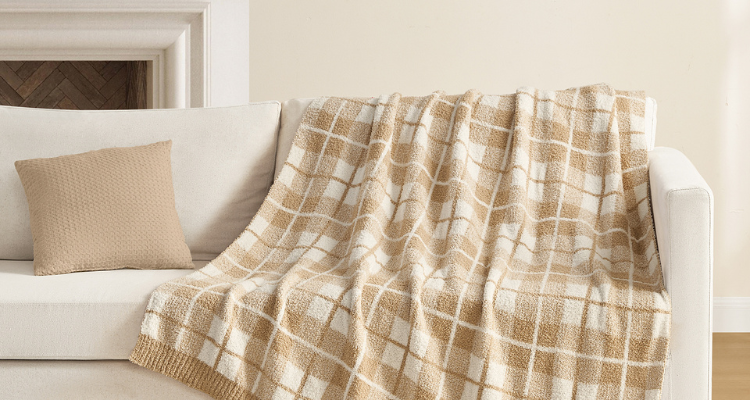
For warm bedrooms, cooling sheets and pillowcases can provide a smoother, lighter-feeling surface. A cooling comforter can serve as the main layer without adding unnecessary bulk. When the weather becomes cooler, a knit blanket can be added instead of replacing the entire bedding setup.
This layered approach is particularly useful during seasonal transitions, when the room may feel warm at bedtime but cooler in the early morning.
The Fabric Against Your Skin Matters

Sheets and pillowcases remain in direct contact with the skin for several hours each night. Even when two fabrics are both described as soft, they may feel very different in everyday use.
Some sleepers prefer a silky, cool-touch surface. Others find a warmer, brushed texture more comforting. People with sensitive skin may be especially aware of rough seams, stiff fabric, surface pilling, or friction around the face and neck.
The material name alone does not tell the whole story. Fabric construction, thickness, texture, breathability, and moisture movement can all influence how bedding feels throughout the night. A lightweight fabric may still feel uncomfortable if it holds moisture close to the skin, while a well-constructed smooth surface may feel more pleasant in a warm bedroom.
When choosing sheets or pillowcases, pay attention to the actual surface feel rather than relying only on thread count or terms such as “luxury soft.” A cooling pillowcase may suit someone who dislikes a warm sleep surface, while a softer, cozier fabric may work better in a colder room.
New bedding should also be washed according to its care instructions before regular use, especially for sleepers who are sensitive to fragrances or fabric finishes.
The Right Comforter Should Feel Cozy, Not Restrictive
A comforter can make the bed feel secure and inviting, but greater weight and thickness do not always create better sleep comfort.
A comforter that is too warm may lead to sweating, frequent repositioning, or repeatedly kicking off the covers. One that is too light may leave a cold sleeper pulling the bedding closer throughout the night.
The right choice depends on the season, local climate, heating and air-conditioning habits, and whether the bed is shared. Couples may have very different temperature preferences, making separate blankets or lighter layers more practical than one heavy comforter.
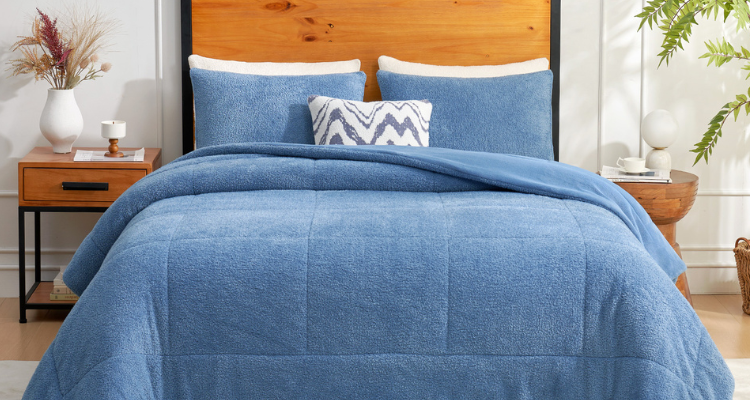
For year-round use, a lightweight or cooling comforter can act as the main sleep layer. A knit or faux-fur blanket can then be added during colder months. This makes it easier to adjust warmth without storing several bulky comforters.
A duvet cover can also make the setup more practical. It protects the comforter from everyday contact and can usually be removed for washing more easily than the comforter itself. Interior ties or loops help keep the insert from shifting and bunching inside the cover.
Fit and Construction Affect Everyday Comfort
Bedding comfort is not only about fabric. Size and construction also matter.
A fitted sheet that slips from the corners or gathers underneath the body can become irritating during the night. Before buying sheets, check both the mattress dimensions and its depth, particularly when using a pillow-top mattress or mattress topper.
Deep-pocket sheets with elastic around the edge are generally better suited to thicker mattresses. The fitted sheet should stretch securely around the mattress without feeling so tight that the corners repeatedly pull loose.
Pillowcase size should match the pillow as well. A case that is too small may compress the pillow and change its feel, while an oversized case can twist or gather around the face.
These details may appear minor when shopping, but bedding is used every night. Small fit problems can become more noticeable over time.
Clean Bedding Makes the Bed More Inviting
Sheets and pillowcases collect sweat, skin oils, hair products, dust, and pet hair. Regular washing cannot treat a sleep disorder, but clean bedding often makes the bed feel fresher and more comfortable to use.
The right cleaning schedule depends on personal habits. Someone who sleeps with pets, sweats heavily, or is sensitive to dust may prefer to wash bedding more frequently.
Pillowcases deserve particular attention because they remain close to the face and hair. Keeping an extra set available makes it easier to change them regularly without waiting for a full laundry day.
Always follow the care label. Cooling fabrics, knit blankets, faux-fur throws, duvet covers, and comforters may require different water temperatures and drying methods. Excessive heat or unsuitable cycles can affect the texture, shape, or performance of some fabrics.
Bedding should also be dried completely before it is placed back on the bed or folded for storage.
An Inviting Bed Can Support a Wind-Down Routine
Bedding affects more than physical comfort. It can also shape how the bedroom feels psychologically.
A bed that is clean, comfortable, and prepared for sleep may help signal that the active part of the day is ending. By contrast, a bed covered with unfolded laundry, tangled sheets, or uncomfortable bedding can make bedtime feel less restful.
The bed does not need to look like a hotel every day. A simple routine—straightening the sheets, adjusting the pillows, and leaving a favorite blanket nearby—can make the space feel calmer and more intentional.
Comfortable bedding works best alongside broader sleep habits, such as keeping a regular schedule, reducing bright light and electronic-device use before bed, and creating a quiet sleep environment. It should support a healthy routine rather than be treated as a complete solution by itself.
Choose Bedding Around Your Actual Sleep Needs
Start with the issue you are trying to solve.
Hot sleepers may benefit from breathable cooling sheets, lightweight comforters, and smooth pillowcases that do not feel overly warm against the skin. Cold sleepers may prefer a more insulating comforter with a removable blanket for extra warmth.
Sensitive sleepers should pay attention to surface texture, seams, pilling, and care requirements. People who move frequently during sleep may benefit from securely fitted sheets and a duvet cover with enough internal ties to keep the insert in place.
Practical considerations matter too. Think about mattress depth, bed size, laundry habits, whether pets share the bed, and how much the bedroom temperature changes between seasons.
Cozy Bliss offers cooling sheets, pillowcases, comforters, duvet covers, and knit blankets that can be combined in layers rather than treated as a single fixed bedding set. The goal is not to buy more bedding, but to build a setup that can be adjusted when your comfort needs change.
Build a Bed That Works for You

There is no universal bedding combination that guarantees better sleep. Some people rest comfortably beneath a light comforter all year, while others need several adjustable layers. Some enjoy a cool, smooth pillowcase; others prefer a warmer and softer texture.
The most useful bedding stays in place, feels comfortable against the skin, suits the room temperature, and remains manageable after repeated washing.
Start with breathable sheets that fit the mattress correctly. Add a comforter that provides enough warmth without feeling restrictive, protect it with a washable duvet cover, and keep a flexible blanket nearby for colder nights.
When bedding matches the way you actually sleep, the bed becomes easier to enjoy—not just visually inviting, but comfortable enough to return to every night.
Frequently Asked Questions
Can bedding really affect sleep?
Bedding can influence temperature, skin comfort, movement, and the overall sleep environment. It cannot diagnose or treat sleep disorders, but unsuitable bedding may contribute to overheating or physical discomfort.
What bedding is best for hot sleepers?
Breathable or cooling sheets, lightweight comforters, and smooth pillowcases are generally more suitable than thick, heat-trapping layers.
Should bedding change with the seasons?
Not necessarily. Many people keep the same breathable base bedding throughout the year and add or remove blankets as the temperature changes.
How can I tell whether my comforter is too warm?
Regular sweating, repeatedly kicking off the covers, or waking up feeling overheated may indicate that the comforter is too insulating for the bedroom.
Is softer bedding always better?
No. Softness is personal. Surface texture, breathability, fit, durability, and ease of care are just as important.

Leave a comment
This site is protected by hCaptcha and the hCaptcha Privacy Policy and Terms of Service apply.