
How to Choose a Blanket That Fits Your Home Decor Style

A blanket is one of the easiest ways to change how a room looks and feels. Unlike a new sofa, rug, or set of curtains, it can be moved, folded, layered, and replaced with the seasons. The right blanket adds warmth and texture, but it should also make sense for how the room is actually used.
A beautiful throw that constantly slides off the sofa, traps too much heat, or requires complicated care will eventually become decoration rather than something you enjoy using. Before choosing a blanket, consider the room’s style, color palette, furniture size, and everyday comfort needs.
Start With the Room, Not the Blanket

It is tempting to choose a blanket because the pattern looks attractive on its own. A better approach is to look at the room first.
Notice the colors that already appear in the furniture, rug, curtains, and wall decor. Then decide whether the blanket should blend in or create contrast. In a room with several bold patterns, a solid-colored throw can bring balance. In a mostly neutral room, a textured knit or patterned blanket can keep the space from feeling flat.
Placement matters too. A decorative blanket for the back of an armchair can be smaller and more structured, while a blanket used for movie nights should provide enough coverage to feel comfortable.
Modern and Minimalist Interiors
Modern minimalist rooms usually feature clean lines, open space, and a restrained color palette. The best blankets for this style add softness without introducing visual clutter.
Solid colors such as ivory, gray, taupe, black, or muted blue work naturally with minimalist furniture. Instead of using a busy print, create interest through texture. A ribbed knit blanket or finely woven throw can soften a leather sofa or simple upholstered bed while preserving the room’s calm appearance.
A geometric pattern can also work, but it should repeat the clean shapes already present in space. One carefully chosen blanket usually looks more intentional than several competing layers.
Cozy Farmhouse and Rustic Spaces
Farmhouse interiors are built around warmth, natural materials, and a sense of everyday comfort. Wood furniture, woven baskets, soft lighting, and relaxed fabrics make textured blankets a natural fit.
Chunky knit blankets, subtle checks, and soft faux-fur throws complement this style without making the room look overly themed. Cream, warm brown, sage, and faded blue pair easily with wood and other earthy finishes.
Try draping a knit throw over the arm of a sofa rather than folding it perfectly. Farmhouse style generally looks more welcoming when textiles feel lived-in and easy to reach.
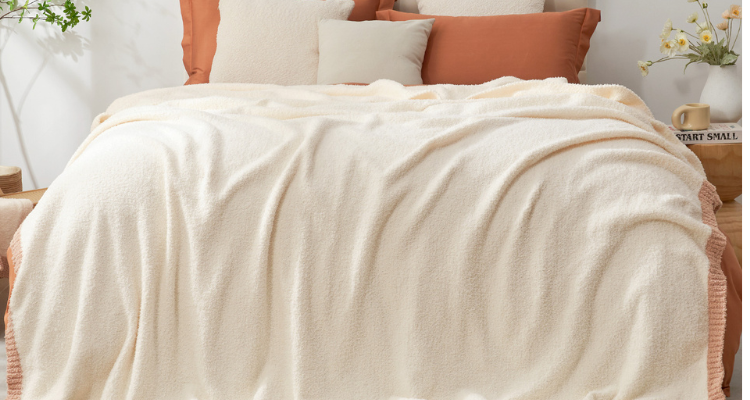
For a bedroom, a neutral blanket layered over a simple duvet cover can add depth while keeping the bed relaxed and practical.
Bohemian and Eclectic Rooms
Bohemian interiors allow more freedom with color, pattern, and texture. A blanket can become one of the main visual features rather than a quiet finishing touch.
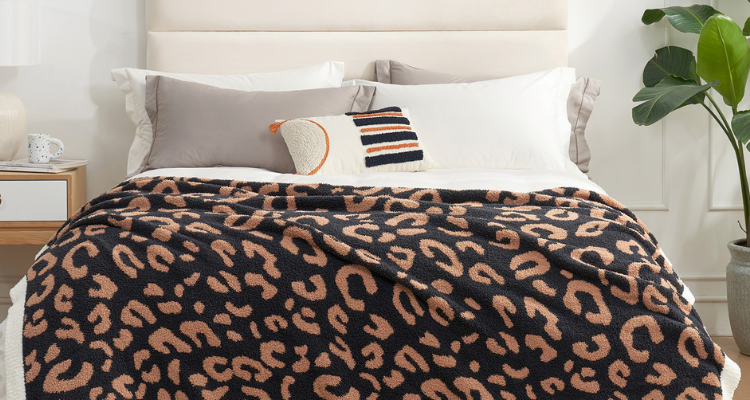
Look for woven patterns, tassels, abstract designs, or richer colors that connect with artwork, cushions, or rugs already in the room. Terracotta, deep green, mustard, burgundy, and indigo all work well in layered, eclectic spaces.
The key is to create connections rather than randomness. A patterned blanket should repeat at least one color found elsewhere in the room. This small detail helps different pieces feel collected over time instead of accidentally placed together.
Because bohemian rooms often contain many decorative elements, keep the actual use of the blanket in mind. Choose a material that remains soft enough for daily lounging and is not difficult to clean.
Soft Contemporary and Transitional Homes
Transitional style combines traditional comfort with cleaner, more contemporary details. It is common in homes where the furniture is classic, but the colors and accessories feel updated.
Blankets in warm neutrals, subtle stripes, or understated patterns suit this balance. A faux-fur blanket can add softness to a structured sofa, while a lightweight knit throw works well over an upholstered chair or at the foot of the bed.
This style is especially flexible, so the blanket does not need to match every item exactly. It should simply share the same overall mood: polished, comfortable, and easy to live with.
Choose the Right Blanket for the Season
Home decor matters, but the blanket still needs to feel comfortable at the time of year you plan to use it.
In spring, lightweight knit or fleece blankets add a gentle layer without making the room feel heavy. Soft neutrals and muted pastels work naturally during this season.
During summer, hot sleepers may prefer a breathable or cooling blanket rather than a traditional plush throw. A cooling blanket can still look polished when folded across the bed or sofa, especially in simple solid colors.
Fall is the easiest season for layering. Knitting blankets, textured throws, and earthy shades such as rust, olive, cream, and warm brown help the home feel ready for cooler evenings.
In winter, thicker faux-fur, fleece, sherpa, or heated blankets can provide stronger warmth. Darker colors and fuller textures often work well, but the best choice still depends on the temperature inside your home.
There is no need to replace every blanket when the season changes. Keeping a breathable base layer and adding warmth gradually is often more practical.
Pay Attention to Size and Placement

Blanket size affects both appearance and usefulness.
A small throw usually works well on an armchair, across one side of a sofa, or folded at the foot of a Twin or Queen bed. A larger blanket is better for sharing on the sofa or covering more of a King-size bed.
An undersized blanket can look awkward on large furniture, while an oversized one may drag on the floor and become difficult to arrange. Before purchasing, measure the furniture and think about how much of the surface you want the blanket to cover.
For styling, avoid folding every blanket into a perfect rectangle. A looser drape often looks more natural and makes the blanket easier to use.
Think About Everyday Care
The right home decor blanket should fit your lifestyle as well as your room.
Homes with children or pets usually benefit from removable, machine-washable options. Light-colored faux-fur blankets may look luxurious, but they can require more frequent cleaning in high-traffic areas. Knit blankets should also be handled according to their care label, since some constructions may stretch or lose shape if washed or dried incorrectly.
The Federal Trade Commission requires textile products sold in the United States to include care instructions, so checking the label before washing is the safest approach.
A practical blanket is one you will not be afraid to use.
A Simple Blanket-Matching Checklist
Before making a final choice, check four things:
1. Does the color complement or intentionally contrast with the room?
2. Is the texture appropriate for the decor style?
3. Does the size fit the furniture and intended use?
4. Is the material suitable for the season and easy to maintain?
A blanket does not need to satisfy every trend. It only needs to look at home in your space and feel comfortable when you reach for it.
Let Comfort Guide the Final Choice

The best blanket for home decor is not always the most dramatic one. Often, it is the piece that quietly connects the room: a soft knit over a neutral sofa, a cooling blanket across a summer bed, or a plush faux-fur throw that makes a reading chair more inviting.
Start with the existing room, choose a texture and color that support its style, and then consider how the blanket will be used. When appearance and comfort work together, a blanket becomes more than a decorative accessory—it becomes part of everyday life.
Frequently Asked Questions
Should a blanket match the sofa exactly?
No. A blanket can either blend with the sofa or provide contrast. The important thing is that at least one color or texture connects it with the rest of the room.
What blanket colors work with neutral decor?
Cream, taupe, gray, sage, warm brown, muted blue, and rust all work well. Texture can add interest when the color palette is simple.
What type of blanket is best for a modern home?
Solid-colored knit blankets, ribbed throws, and subtle geometric designs usually suit modern interiors because they add softness without creating clutter.
Can cooling blankets be used as home decor?
Yes. Cooling blankets in simple colors can be folded across a bed or sofa just like traditional throws, while remaining more comfortable for warm weather or hot sleepers.
How many blankets should be displayed in one room?
Usually one or two is enough. Too many blankets can make a small room feel crowded and reduce the impact of each individual piece.

Leave a comment
This site is protected by hCaptcha and the hCaptcha Privacy Policy and Terms of Service apply.