
Why Are My Feet Always Cold at Home? Simple Ways to Stay Comfortable
Cold feet at home can feel strangely persistent. The room may not seem especially cold, the rest of your body feels fine, and yet your feet are the first thing that makes you reach for a blanket or another pair of socks.
Sometimes the explanation is simple: cool floors, long periods of sitting, bare feet, or just the way your body responds to lower temperatures. But if your feet feel cold very often, even when the room is warm, it is worth paying attention to the pattern rather than assuming it is always about the weather.
Start With the Room Around You
Feet lose warmth quickly when they are in direct contact with a cold surface. Hardwood, tile, and stone floors can all make your feet feel colder than the rest of your body, especially if you are walking around barefoot or wearing thin socks.
The easiest fix is often to add a little insulation between your feet and the floor. Soft socks, slippers, or a rug near the sofa, bed, or desk can make a noticeable difference without changing the temperature of the whole room.
This matters most in the places where you stay still for a long time. If your feet always get cold while working at a desk or watching TV, the problem may have as much to do with the floor and your routine as the thermostat.
Sitting Still for Too Long Can Make Cold Feet More Noticeable
A lot of at-home activities involve staying in one position for a while: working, reading, gaming, scrolling on your phone, or settling in for a movie.
When you barely move for an hour or two, cold feet can become much more noticeable. A short walk around the house, a few stretches, or simply getting up to refill your drink can help you warm up naturally.
Cleveland Clinic notes that cold feet are common and can sometimes be related to blood flow. Their guidance also recommends movement and warm socks as simple ways to manage occasional cold feet. You can read more in their guide to cold feet and common causes.
Warm Socks Are Often the Simplest Place to Start

If your feet mainly feel cold during fall and winter evenings, a pair of soft, warm socks may be all you need.
The best pair is not necessarily the thickest one. Socks should feel warm without being so tight that they become uncomfortable around the ankle or toes. For relaxing at home, soft fuzzy socks can add warmth without the bulk of wearing outdoor shoes or heavy slippers.
This is also one of those small comfort upgrades that fits naturally into an evening routine. Keep a pair near the sofa, next to the bed, or wherever you usually settle down at night.
Use a Blanket Where You Actually Feel Cold

If your feet are cold but the rest of your body feels comfortable, turning up the heat for the entire room may not be necessary.
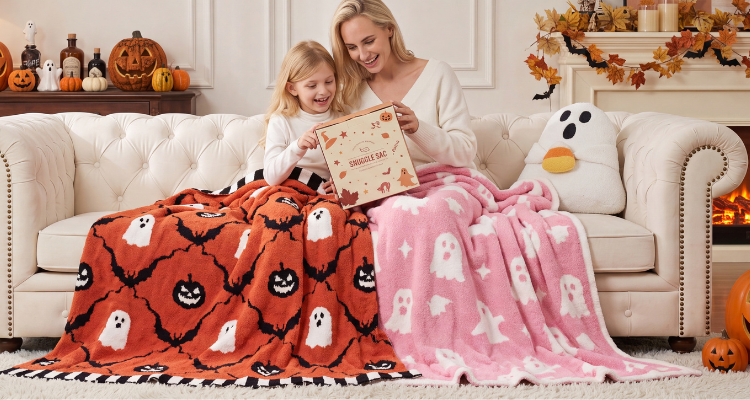
A throw blanket over your legs while reading or watching TV can create a warmer little zone around your lower body. You can tuck your feet underneath it, pair it with warm socks, and stay comfortable without piling heavy bedding over your whole body.
For colder evenings, some people may also prefer a heated blanket, provided it is used according to the manufacturer’s instructions. The important thing is to choose the amount of warmth you actually need rather than automatically making the entire room hotter.
Keep Your Feet Dry
Cold feet are not always about low temperatures alone. Damp socks or slightly wet feet can make you feel colder, even indoors.
If you have just come in from the rain, finished exercising, or taken a shower, dry your feet before putting on socks. Cleveland Clinic specifically notes that wet feet can feel colder as moisture evaporates, so drying them properly can help with gradual warming.
It is a small detail, but changing into dry socks often feels much better than simply adding another layer over damp ones.
Build Warmth Into Your Evening Routine
A comfortable evening at home usually comes from several small things working together. You might change into warm socks after dinner, sit under a throw while watching TV, keep a hot drink nearby, and get up occasionally instead of staying in one position for hours. None of these needs to be complicated on its own.
That is also why fall and winter comfort does not always require very heavy bedding. Sometimes a pair of fuzzy socks and a lightweight blanket are enough to make the room feel noticeably more inviting.
When Cold Feet May Be More Than a Comfort Issue

Occasional cold feet are common, especially in cooler weather. But if your feet are frequently cold regardless of room temperature, or the feeling comes with numbness, pain, unusual color changes, sores, or other persistent symptoms, it is better not to treat it as only a home-comfort problem.
Cleveland Clinic and Mayo Clinic both note that persistent cold feet can sometimes be associated with circulation, nerve, thyroid, or other health issues.
That does not mean cold feet automatically indicate a medical condition. It simply means that persistent or unusual symptoms are worth discussing with a healthcare professional rather than trying to solve everything with thicker socks.
Make the Space Comfortable, Not Overheated
If cold feet mostly happen while you are relaxing at home, the solution can be surprisingly simple: warm the person before warming the entire room.
A rug under a desk, dry socks, a soft throw on the sofa, and a little more movement during long sitting periods can all help make the space feel more comfortable. On colder nights, fuzzy socks or a warmer blanket can add another layer without turning the evening into a pile of heavy bedding. Comfort is often less about one big change and more about getting the small details right.
FAQs
Why are my feet cold even when my house feels warm?
Cold floors, sitting still for long periods, bare feet, or individual temperature sensitivity can all make feet feel colder than the rest of the body. Persistent cold feet can sometimes have other causes, so pay attention if the problem happens frequently.
Do warm socks help with cold feet?
Yes. For occasional cold feet at home, warm socks are one of the simplest ways to add insulation and comfort.
Why do my feet get cold when I sit on the sofa?
Long periods of inactivity can make cold feet more noticeable. A blanket, warm socks, and getting up to move around occasionally may help.
Should I use a blanket if only my feet are cold?
Yes. A throw blanket over your legs can add localized warmth without making the rest of your body feel overheated.
When should I talk to a doctor about cold feet?
If cold feet are frequent or come with numbness, pain, color changes, sores, or other persistent symptoms, it is a good idea to speak with a healthcare professional.


Leave a comment
This site is protected by hCaptcha and the hCaptcha Privacy Policy and Terms of Service apply.