
How to Make Your Bed Feel Warmer in Winter
A cold bed can make winter nights feel less comfortable, but the solution is not always to pile on the heaviest blanket you can find. In many cases, a warmer bed comes from combining the right layers, paying attention to where the cold is coming from, and making the setup easy to adjust once you are actually asleep.
The goal is simple: the bed should feel inviting when you get in, warm enough through the night, and flexible enough that you do not wake up overheated.
Start With the Bedding Closest to Your Body

When people think about winter bedding, they often focus on what goes on top. But the sheet underneath you matters just as much, especially during those first few minutes in bed.
If the fitted sheet feels very cool to the touch, the whole bed can seem colder than it really is. A softer, warmer-feeling sheet can make getting into bed more comfortable without adding much weight. You do not necessarily need to switch to the thickest fabric available; The idea is simply to avoid creating a cold surface underneath you while relying on blankets to do all the work above.
It is also worth checking that the bed itself is dry and well ventilated. Bedding that feels damp or clammy will rarely feel warm, even under several layers.
Layer the Bed Instead of Relying on One Heavy Blanket

One of the easiest ways to make a bed warmer is to add layers gradually. A comforter or duvet can stay as the main layer, while a lighter blanket or throw adds warmth when temperatures drop. On milder nights, that extra layer can stay folded at the foot of the bed. When it gets colder, pull it higher over the legs or across the whole bed.
This is usually more comfortable than replacing everything with one very thick blanket because you can adjust the setup without much effort. Winter temperatures change from week to week, and indoor heating changes too, so a bed that can adapt tends to work better than one fixed, heavy setup.
Sleep Foundation also recommends keeping the bedroom relatively cool and using bedding to stay comfortable, which is another reason adjustable layers can be useful rather than simply overheating the room.
Keep a Throw at the Foot of the Bed
A throw blanket is useful in winter because it adds warmth exactly where many people want it most: around the legs and feet.
Instead of adding another full-size blanket every night, keep a throw folded at the end of the bed. If the room feels colder than usual, pull it up. If you are warm enough, leave it where it is. That small amount of flexibility makes a big difference, especially if the weather changes often.
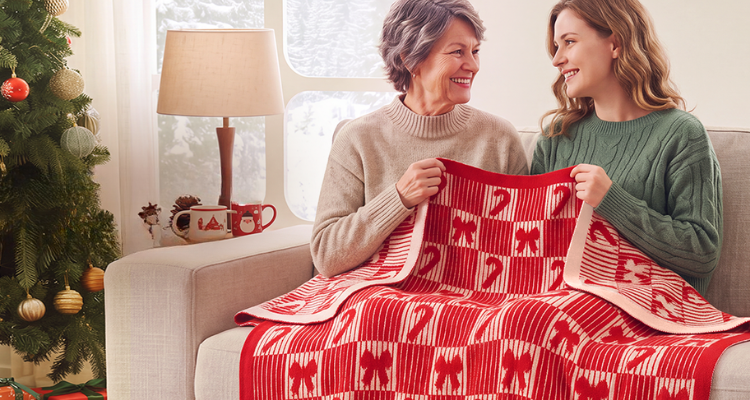
A seasonal or plush throw can also make the bedroom feel more winter-ready without requiring a complete bedding change. It adds texture and warmth visually, but it still has a practical job to do.
Do Not Ignore Cold Feet

Sometimes the bed is not actually too cold overall; Your feet are simply the first part of your body to notice it.
If that sounds familiar, focus on warming your feet before adding more layers to the entire bed. Soft socks can help while you are getting ready for bed, reading, or winding down in the evening. Once you feel warm enough, you can take them off if you do not like sleeping in socks.
This is often more comfortable than covering the whole body with another heavy blanket just because the lower half of the bed feels cold.
Warm the Bed Before Bedtime
Sheets, blankets, and the mattress can all feel cold after sitting in a cool room for hours. That initial chill is often the worst part.
A heated blanket or electric throw can be useful for warming the bed before you get in, as long as it is used according to the manufacturer’s instructions. If you are shopping for one, practical features matter more than novelty: clear controls, adjustable heat levels, a timer, automatic shutoff, and straightforward care instructions all make it easier to use.
Electric bedding should also be checked regularly for damaged cords, worn areas, or loose connectors. If anything looks damaged, it is better not to use it.
For many people, the main benefit is not keeping heat on all night. It is simply making the bed feel comfortable from the beginning.
Making the Bed Work for Two Different Sleepers
Sharing a bed can make winter bedding more complicated because two people rarely want exactly the same amount of warmth.
If one person sleeps cold and the other tends to overheat, adding another full-size blanket may solve one problem and create another. A personal throw on one side of the bed can be a much easier solution. The colder sleeper gets another layer, while the warmer sleeper does not have to use it.
This kind of targeted layering is especially useful for couples because it lets each person adjust their own comfort without changing the entire bed.
Consider What Is Under You, Not Just What Is Over You
If you keep adding blankets and the bed still feels cold, the problem may not be the top layers.
Beds that sit close to a cold floor, or frames with a lot of cool air moving underneath them, can make the sleeping surface feel colder than expected. A mattress pad or topper can add another layer between you and the mattress and may make the bed feel less cold when you first lie down.
You do not need to buy a new topper just because winter arrives, but it is worth thinking about where the cold sensation is actually coming from before adding more blankets.
Keep the Bedroom Cool, but Not Uncomfortable

There is a difference between a cool bedroom and an uncomfortable one. Turning the heat much higher can make the room feel better when you first walk in, but it may become too warm once you are under several bedding layers. A slightly cooler room with adjustable blankets is often easier to manage because you can add or remove warmth without changing the entire room temperature.
This is another reason it helps to avoid building the bed around one extremely heavy blanket. Once you are too hot under it, there is not much room to adjust.
Choose Winter Bedding You Can Actually Live With
Warmth matters, but so does maintenance. A very thick blanket may feel great in January but become annoying if it barely fits in the washing machine or takes up most of a closet once spring arrives. Before adding another winter layer, check the care label and think about how often it will need washing.
Plush, faux fur, knit, and heated blankets can all have different care requirements. If the blanket is used every night, something that is easy to wash, dry, and store may be more useful than the thickest option available.
Let the Setup Change Through the Season
Winter does not have one fixed temperature, so your bed does not need one fixed setup either.
Start with the bedding you already use, then add one extra layer when needed. A throw may be enough in early winter, while colder nights may call for something warmer. When the weather starts to change again, remove one layer instead of waiting until the whole bed feels too hot.
A warm winter bed should feel flexible rather than overloaded. If you can stay comfortable without feeling trapped under too much fabric, you have probably found the right balance.
FAQs
How can I make my bed warmer without using a heavy blanket?
Try using several lighter layers, keeping a throw at the foot of the bed, warming your feet before bedtime, or warming the bed briefly before you get in. These changes can add comfort without making the bed feel bulky.
Is it better to use one thick blanket or several lighter ones?
Several lighter layers are usually easier to adjust. You can remove or add one depending on the room temperature and how warm you feel during the night.
Why does my bed feel cold when I first get in?
The sheets, mattress, and blankets may have been sitting in a cool room for hours. They often feel cold at first, even if the bed becomes comfortable a few minutes later.
Can I use a throw blanket on my bed?
Yes. A throw works well as an extra layer over the legs or lower half of the bed and is easy to move when you no longer need it.
Should I turn the heat up to make my bed warmer?
Not necessarily. A cooler bedroom with adjustable bedding can be more comfortable than a very warm room, especially once you are under several layers.


Leave a comment
This site is protected by hCaptcha and the hCaptcha Privacy Policy and Terms of Service apply.